Request a Free Estimate
Contact us today to request a free estimate!
Contact us today to request a free estimate!
Lic # FOREVRH874MJ

Roofing Contractor Serving Seattle, WA & Surrounding Areas
Roofing Contractor Serving Seattle, WA & Surrounding Areas
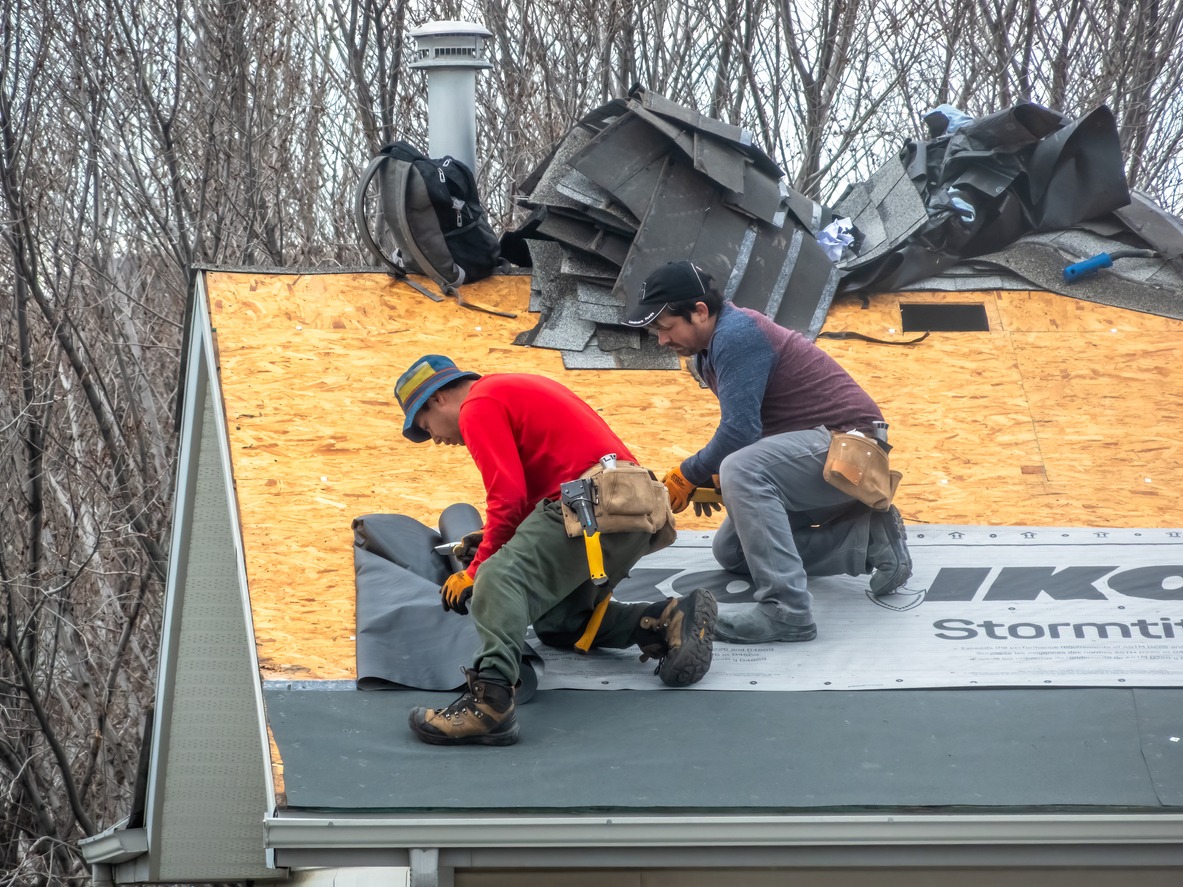
A high-performing roofing system is built on layers, not just what you see on the outside. While your shingles or tiles are the visible shield against Washington’s frequent rain, wind, and unpredictable weather, it’s the underlayment beneath that quietly delivers essential protection. In this post, I’ll break down why underlayment is a crucial but often underappreciated component in any quality roof installation or replacement.
Roof underlayment is a protective layer installed directly on your roof’s decking, underneath the final roofing material whether that’s asphalt shingles, tile, or metal roofing. Its primary purpose is to safeguard your home from moisture intrusion, acting as a second line of defense if water gets past your roofing surface due to wind-driven rain or ice dams.
There are several types of underlayment available:
Asphalt-saturated felt (sometimes called “tar paper”)
Synthetic underlayment
Rubberized asphalt or modified bitumen products
Each type has its own set of properties, with synthetic underlayments gaining popularity in the roof replacement industry for their improved durability and weather resistance.
The climate in western Washington brings heavy rainfall, windstorms, and occasional snow. Even the best-installed roof coverings can be temporarily compromised. Underlayment is there to:
Repel water and redirect it safely off your roof, preventing leaks.
Protect against wind-driven rain and snowmelt that can sneak beneath shingles or tiles.
Offer fire resistance and help meet local building codes.
Shield your home’s structural decking from rot, mold, and decay.
During installation or roof repairs, underlayment also acts as a temporary barrier, protecting your home if the outer layer isn’t finished due to unexpected weather.
Choosing the right underlayment depends on your roofing material, the roof slope, and local weather conditions:
Asphalt-Saturated Felt: Cost-effective and reliable for short exposures, but can wrinkle or deteriorate if left uncovered too long.
Synthetic Underlayment: More tear-resistant, lighter, and offers better performance in prolonged wet or windy environments. It’s also preferred for roofs that may take several days to complete.
Rubberized Asphalt: Highly waterproof and self-sealing around fasteners. Ideal for low-slope sections, valleys, or areas prone to ice dams.
Regardless of material, following proper overlap and installation techniques is essential to maximize performance and ensure compliance with building codes.
Beyond water protection, underlayment can improve your home’s comfort and energy efficiency:
Some underlayments reflect solar heat and minimize attic temperature swings, reducing energy costs.
Additional layers of underlayment can boost insulation, keeping your home warmer during the cold, damp winters typical in our region.
Properly installed underlayment is often required by building codes and is a key factor in qualifying for manufacturer warranties. It also extends the life of your roof repair investment by reducing the chance of costly water damage or premature roof failure.
When combined with quality roofing materials and professional installation, underlayment offers peace of mind through even the harshest Pacific Northwest conditions.
At Forever Roofing, we understand the critical role underlayment plays in the long-term performance of your roof in Tukwila, WA and surrounding areas. Whether you’re considering a new roof installation, a full roof replacement, or targeted roof repair, our team delivers reliable results that stand up to the local climate. Call us at 206-261-3683 or fill out our online form to schedule your free roof evaluation and get expert recommendations tailored to your home.