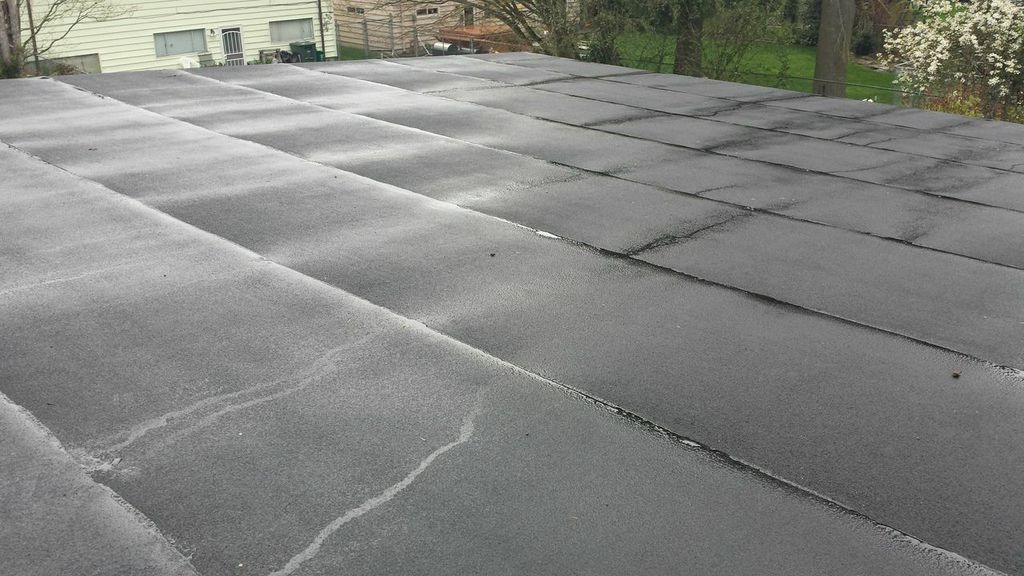
Flat roofs are a preferred style for many commercial and residential properties, but their unique design presents certain challenges. One of the most pressing concerns is standing water, also known as “ponding.” This situation occurs when water remains pooled on the surface hours or even days after rainfall. In the Seattle area, where heavy rains are a seasonal norm, standing water is more than just a cosmetic issue; it’s a major risk to your property’s integrity.
Why Standing Water Happens on Flat Roofs
Flat roofs are built with minimal slope, which helps maximize usable space but also makes it harder for water to properly drain. Ravines or low spots on the roofing membrane can easily trap water during Seattle’s frequent rainy days. Poor drainage systems, clogged gutters, or even improper installation of the roofing material can make matters worse. Persistent ponding water will have a cumulative effect, especially given the Puget Sound region’s wet climate.
The Destructive Potential of Pooling Water
Standing water is not as harmless as you may think. Over time, it can erode flat roofing materials such as single-ply membranes or built-up surfaces. If water lingers on your roof, it gradually breaks down the outer layers and weakens seams, flashing, and joints. Seattle’s cool, moisture-heavy environment speeds up this wear process, leading to leaks that can invade your home’s interior and trigger mold or mildew growth.
You might notice warning signs such as:
-
Bubbling or blistering of roof membranes
-
Water stains or dark patches on your ceiling
-
Visible dips or depressions that never seem to fully dry
If left unchecked through multiple rainy seasons, ponding water can even deteriorate the structural decking underneath, leading to costly and extensive repairs.
Moss, Algae, and Other Localized Growth
Seattle’s mild, damp conditions are the perfect environment for unwanted plant growth. When water sits on your flat roof, it creates an ideal habitat for moss and algae. Not only do these growths look unappealing, but they also hold additional moisture against your roof, accelerating membrane breakdown. Over time, this bio-growth can impede drainage further, creating a vicious cycle of moisture retention.
Prevention and Maintenance Best Practices
Proactive maintenance is your best defense against the risks of roof ponding. Regular roof inspections go a long way toward identifying problem spots before they escalate. Cleaning gutters, removing organic debris, and checking for blockages in internal drains are essential tasks during Seattle’s rainy months. If your flat roof already shows signs of persistent standing water, consider a professional assessment. A trusted local team can recommend solutions such as:
-
Tapered insulation to promote drainage
-
Upgrading your roof repair approach
-
Installing modern drainage systems or scuppers
A proper care routine extends your roof’s life and minimizes emergency repairs.
Correcting Standing Water: Professional Solutions Make the Difference
Attempting to fix ponding issues without industry knowledge is rarely effective. Professional roofing technicians use tools and strategies designed for the specific challenges faced in the Pacific Northwest. For older buildings, a comprehensive inspection might reveal that it’s time for a quality roof replacement. Expert crews will ensure drainage is addressed during the installation phase, protecting your property well into the future.
Get Professional Help with Flat Roof Problems in Seattle, WA
If you are facing standing water challenges on your flat roof or want to prevent future damage in Seattle, WA and surrounding areas, Forever Roofing is ready to help. Our team specializes in local roof repair and replacement tailored to Seattle’s climate. Call Forever Roofing today at (206) 261-3683 or fill out our online form to schedule your inspection or request a free estimate.
About Us

Trusted Roofing Company for Residential & Commercial Roofing Services
At Forever Roofing, we provide professional roof replacement, roof repair, and roofing installation services for homeowners and businesses who want long-term protection and dependable performance. Communication and customer satisfaction is our #1 priority. We work hard to ensure you have the most up to date materials at the price you deserve.