When winter arrives in Seattle, keeping your home energy efficient becomes a top priority. While insulation and windows often get the most attention, your roof’s material, design, and age play a pivotal role in your home’s overall heating efficiency. Understanding how your roof contributes to, or detracts from maintaining warmth can help you make more informed decisions around roof replacement, repairs, and material choices.
Why Roofing Materials Matter for Heating Efficiency
The type of roofing material on your home sets the stage for how much heat escapes or stays in during colder months. In the Pacific Northwest, common roofing materials include asphalt shingles, metal roofing, and tile roofs, each with distinct insulation properties.
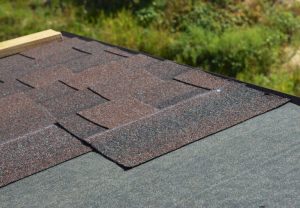
Asphalt shingles, widely used by homeowners, provide a reasonable amount of heat retention when paired with proper attic insulation. However, they can wear down over time, particularly in the wet, windy conditions typical of greater Seattle, making them less ideal for maximizing long-term energy savings.
Metal roofing is gaining popularity due to its longevity and minimal maintenance. Metal reflects more sunlight and radiates less heat compared to asphalt, which can help keep homes cooler in summer but may not retain as much heat in the winter without adequate insulation beneath.
Tile roofs, though less common in Seattle, offer natural thermal resistance due to their density. Clay and concrete tiles can help insulate homes but also require strong structural support, which might not suit every property.
Insulation and Roof Design: A Perfect Pair
No matter the roofing material, what lies beneath the surface matters just as much. A well-insulated attic is the second line of defense against heat loss, especially in a city known for chilly rain and wind that tests even the best-constructed roofs.
Key factors that contribute to better heating efficiency include:
-
Proper attic insulation thickness and coverage
-
High-quality vapor barriers to prevent moisture accumulation
-
Adequate ventilation to minimize condensation and maximize energy savings
Homes with steep-slope roofs often fare better in shedding rain and snow, common in Seattle winters. However, improper insulation or poor workmanship can still allow heat to escape, undercutting efficiency gains.
Common Signs Your Roof Is Hurting Your Energy Efficiency
Understanding when your roof might be impacting your heating bill is crucial. Some common indicators include:
-
Noticeably uneven temperatures between rooms
-
Ice dams forming along the eaves
-
Higher-than-average heating costs during winter months
-
Spots of mold or mildew in the attic or on ceilings
These issues suggest that your roofing system, from the top layer to the underlying structure, may be underperforming and could need inspection or repair.
How a Roof Replacement Can Improve Heating Efficiency
Replacing your roof is a significant investment, but it can provide long-term energy savings — especially if your existing roof is aging or was not originally constructed with Seattle’s climate in mind. By choosing roof replacement, you have the opportunity to select modern, energy-efficient materials and reinforce attic insulation. This not only lowers heating costs but can also protect your home from moisture damage that’s all too common in the Pacific Northwest. Working with a professional roofing contractor ensures correct installation and code compliance, essential for realizing efficiency gains.
Ready to Boost Your Home’s Heating Efficiency?
If you’re in Seattle, WA or the surrounding areas and concerned your roof might be letting precious heat escape, Forever Roofing can help you assess your options. Our team specializes in roof repair, maintenance, and comprehensive roof replacement for all types of homes. Call Forever Roofing at 206-261-3683 or fill out our online form to schedule your personalized roofing evaluation. Let’s ensure your home stays warm, efficient, and protected this season.
About Us
Trusted Roofing Company for Residential & Commercial Roofing Services
At Forever Roofing, we provide professional roof replacement, roof repair, and roofing installation services for homeowners and businesses who want long-term protection and dependable performance. Communication and customer satisfaction is our #1 priority. We work hard to ensure you have the most up to date materials at the price you deserve.